The Federation Press
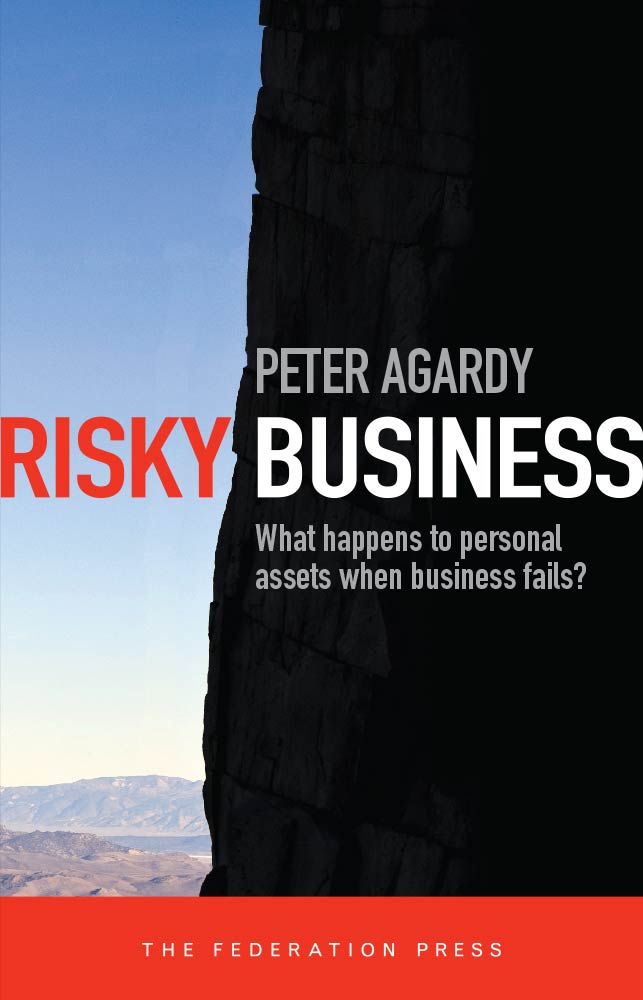
Risky Business
What happens to personal assets when business fails?
People going into business often obtain advice from professional advisers about how to structure the business. For example, should they operate as sole traders, in partnership, through a company or through a trust? Some professional advisers, especially accountants, have been known to recommend a structure based on tax minimisation and nothing more. That advice is not always consistent with a sound asset planning strategy.
This book analyses different structures from the perspective of asset planning. It reviews the legal system in Australia with a view to answering the question what happens to personal assets when business fails?
One specific question addressed is what happens to the family home if an entrepreneur becomes bankrupt.
The book offers a road map for professional advisers who face questions from their clients; questions like:
Is money in my superannuation fund safe?
What about the assets of a discretionary trust of which I am one of the beneficiaries?
What happens to gifts made before I went bankrupt?
Does the Family Court have a role to play if there is a relationship breakdown?
Can my relatives change their wills so that their money goes to family and not to my creditors?
And also, for the professional adviser, what are the legal and ethical obligations in tackling these issues?
This is not a text book, although there is some technical material included. The intention is to offer the professional adviser guidance in clear, non-technical narrative, on issues that are sometimes complex. The intention is also to alert advisers to matters they might not have considered when advising their clients.